Upon Westminster Bridge
Stillness, Beauty, and Urban Sublimity: A Critical Reading of Upon Westminster Bridge
Introduction
William Wordsworth’s Upon Westminster Bridge is one of the most remarkable sonnets in English Romantic poetry. Written in 1802 and published in 1807, the poem captures a rare and tranquil moment in the bustling city of London. Unlike Wordsworth’s usual focus on rural landscapes, this poem presents an urban scene, yet it is infused with the same sense of awe, harmony, and spiritual beauty found in nature.
This blog offers a detailed and critically enriched analysis of the poem, examining its themes, imagery, structure, and philosophical depth in clear and accessible language suitable for postgraduate study.
Context and Background
Wordsworth wrote this sonnet while crossing Westminster Bridge early in the morning. At that time, London was still quiet, free from the noise and activity that usually characterized city life. This unusual stillness allowed him to perceive the city in a new way—not as a place of chaos, but as a space of calm beauty.
As a major figure of Romanticism, Wordsworth believed in the spiritual power of nature. However, in this poem, he extends that vision to the city, suggesting that even urban spaces can possess natural beauty when seen in the right light.
Summary of the Poem
The speaker stands on Westminster Bridge at dawn and observes London in complete stillness. The city appears calm, peaceful, and beautiful under the morning light. He describes the buildings, the river, and the sky as if they are part of a unified natural landscape.
The poet is deeply moved by this sight and declares that anyone who does not feel its beauty must be dull or insensitive. He concludes by emphasizing the profound silence and calmness of the moment, describing the city as if it were asleep.
Major Themes
1. Beauty in the Ordinary
One of the central themes of the poem is the discovery of beauty in an unexpected place. London, usually associated with noise and industrial life, is presented as serene and majestic.
Wordsworth suggests that:
Beauty is not limited to nature
It can be found in everyday surroundings
Perception plays a key role in experiencing beauty
2. Harmony Between Nature and City
The poem blurs the distinction between nature and urban life. Wordsworth describes the city using natural imagery, making it appear as part of the natural world.
This suggests:
A unity between human creation and nature
A Romantic vision that sees harmony everywhere
3. Stillness and Tranquility
The quietness of the early morning is central to the poem. The absence of movement and noise allows the speaker to experience the city’s true beauty.
This stillness represents:
Peace
Reflection
Spiritual calm
4. The Role of the Observer
Wordsworth emphasizes the importance of perception. The famous line:
“Earth has not anything to show more fair”
indicates that beauty depends on the observer’s sensitivity. Those who cannot appreciate this scene are described as “dull of soul.”
Imagery and Visual Experience
1. Panoramic View of London
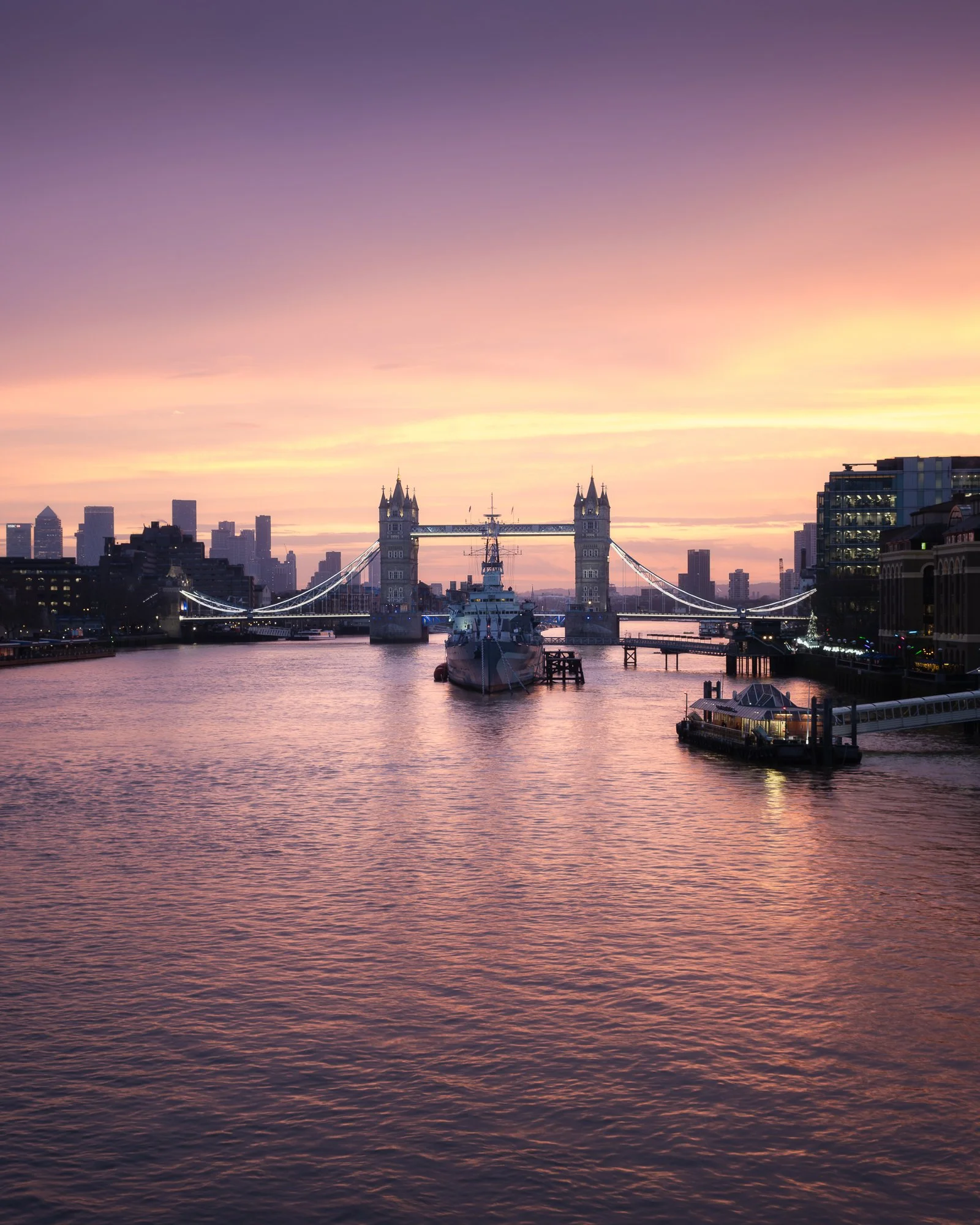

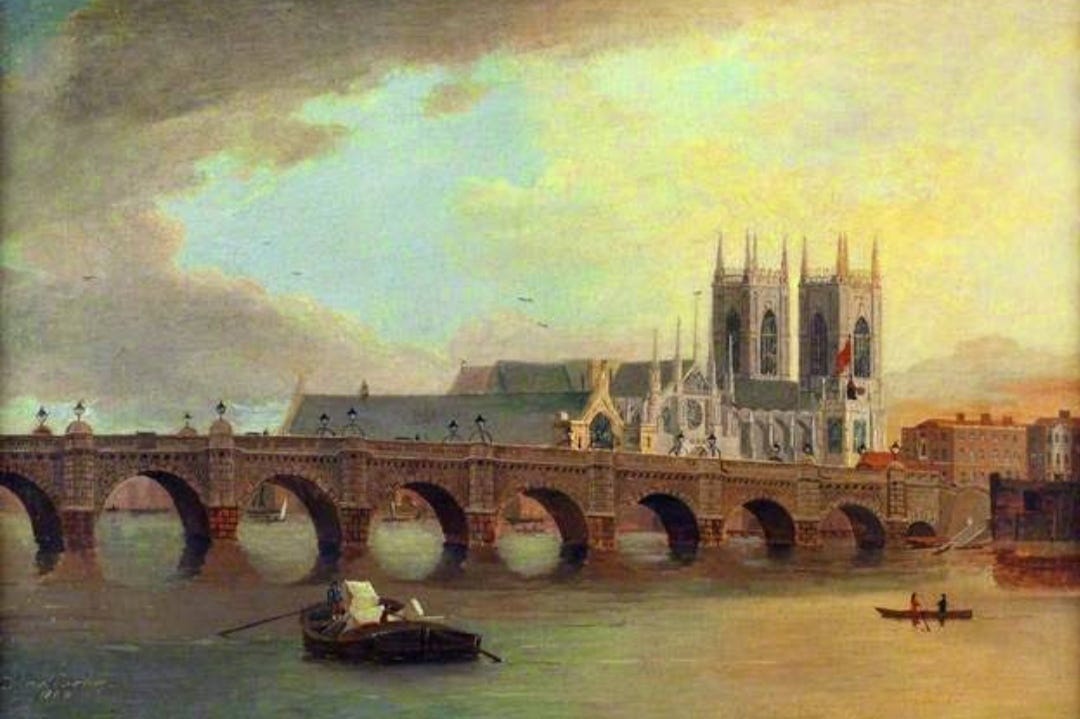

Wordsworth creates a vivid visual picture of London at dawn:
The Thames River flows quietly
Buildings shine in the morning light
The sky is clear and bright
This panoramic imagery gives a sense of vastness and unity.
2. Light and Clarity
The morning light plays a crucial role:
It reveals the beauty of the city
It creates a sense of freshness and purity
Light symbolizes:
Enlightenment
Clarity of perception
3. Personification of the City
Wordsworth personifies London as:
Wearing “the beauty of the morning”
Lying still as if asleep
This human-like portrayal makes the city appear peaceful and alive.
Structure and Form
1. Petrarchan Sonnet Form
The poem follows the structure of a Petrarchan sonnet:
14 lines
Iambic pentameter
Rhyme scheme: ABBA ABBA CDCDCD
2. Octave and Sestet
Octave (first 8 lines): Description of the scene
Sestet (last 6 lines): Emotional response and reflection
3. Volta (Turn)
The shift occurs after the octave, where the poem moves from description to deeper emotional and philosophical reflection.
Language and Style
Wordsworth uses:
Simple and direct language
Elevated poetic diction
Balanced and harmonious rhythm
The tone is:
Calm
Reverent
Reflective
Philosophical Dimensions
1. Sublime Experience
The poem reflects the Romantic idea of the sublime—a moment of overwhelming beauty that inspires awe.
2. Perception and Reality
Wordsworth suggests that reality is shaped by perception. The same city can appear chaotic or beautiful depending on how it is viewed.
3. Unity of Existence
The poem presents a vision of unity:
Nature and city are interconnected
Human and natural worlds coexist harmoniously
Romantic Features
The poem reflects key Romantic characteristics:
Emphasis on emotion and personal experience
Deep appreciation of beauty
Focus on nature (even within the city)
Celebration of individual perception
Critical Perspectives
1. Ecocritical Reading
The poem suggests that even urban environments can be part of nature, challenging the strict divide between natural and artificial spaces.
2. Urban Romanticism
Unlike traditional Romantic poetry, this poem embraces the city, showing that Romantic ideals can exist in urban settings.
3. Aesthetic Reading
The poem is admired for its balance, clarity, and visual richness.
Relevance in the Modern World
Today, the poem remains relevant because:
It encourages mindfulness and observation
It teaches us to appreciate everyday beauty
It offers a peaceful perspective in a fast-paced world
Conclusion
William Wordsworth’s Upon Westminster Bridge transforms an ordinary urban moment into an extraordinary poetic experience. Through vivid imagery, balanced structure, and deep philosophical insight, the poem reveals the hidden beauty of London at dawn.
The poem ultimately teaches us that beauty is not confined to nature or extraordinary places—it exists all around us, waiting to be seen. What matters is the sensitivity of the observer and the ability to pause, reflect, and appreciate the world.


Comments
Post a Comment