To a Skylark
Song, Spirit, and Ideal Beauty: A Detailed Critical Reading of To a Skylark
Introduction
Percy Bysshe Shelley’s To a Skylark is one of the most celebrated lyrical poems of the Romantic period. Written in 1820, the poem expresses Shelley’s deep admiration for the skylark—a bird whose song becomes a symbol of pure joy, freedom, and spiritual transcendence. Unlike human beings, who are burdened by sorrow and limitation, the skylark represents an ideal existence beyond pain.
This blog presents a detailed and critically enriched analysis of the poem, exploring its themes, imagery, structure, philosophical insights, and Romantic significance in clear and accessible language suitable for postgraduate study.
Context and Background
Shelley wrote To a Skylark during his stay in Italy, inspired by hearing the song of a skylark soaring high in the sky. The poem reflects his Romantic ideals—particularly his belief in imagination, beauty, and the possibility of transcending human limitations.
Unlike John Keats, who often accepts the reality of suffering, Shelley seeks an ideal world beyond it. The skylark becomes a metaphor for this ideal state of existence.
Summary of the Poem
The poem begins with the speaker addressing the skylark as a “blithe Spirit,” suggesting that it is more than a physical bird. As the skylark rises higher into the sky, its song becomes more powerful and ethereal.
The speaker compares the skylark to various beautiful and pure things—like a cloud of fire, a poet, a maiden, and a rose. However, he ultimately concludes that none of these comparisons fully capture the bird’s perfection.
In the final part of the poem, the speaker contrasts the skylark’s joy with human sorrow. He expresses a desire to learn from the bird, believing that its secret of happiness could transform human life.
Major Themes
1. The Ideal vs. the Real
One of the central themes of the poem is the contrast between the ideal (the skylark) and the real (human life).
The skylark represents:
Pure joy
Freedom
Perfection
Humans represent:
Sorrow
Limitation
Imperfection
Shelley suggests that true happiness lies beyond human experience.
2. The Limitations of Human Life
The poet emphasizes that human beings are always affected by:
Pain
Fear
Regret
Even in moments of happiness, there is an awareness of loss. This makes human joy incomplete.
3. The Power of Music and Poetry
The skylark’s song symbolizes:
Pure expression
Natural creativity
Emotional intensity
Shelley compares the skylark to a poet, suggesting that poetry, like the bird’s song, has the power to elevate human experience.
4. The Search for Perfect Happiness
The speaker longs to understand the secret of the skylark’s joy. He believes that if he could learn this, his poetry would inspire the world.
This reflects a Romantic desire for:
Transcendence
Emotional purity
Universal truth
Imagery and Symbolism
1. The Skylark as a Symbol

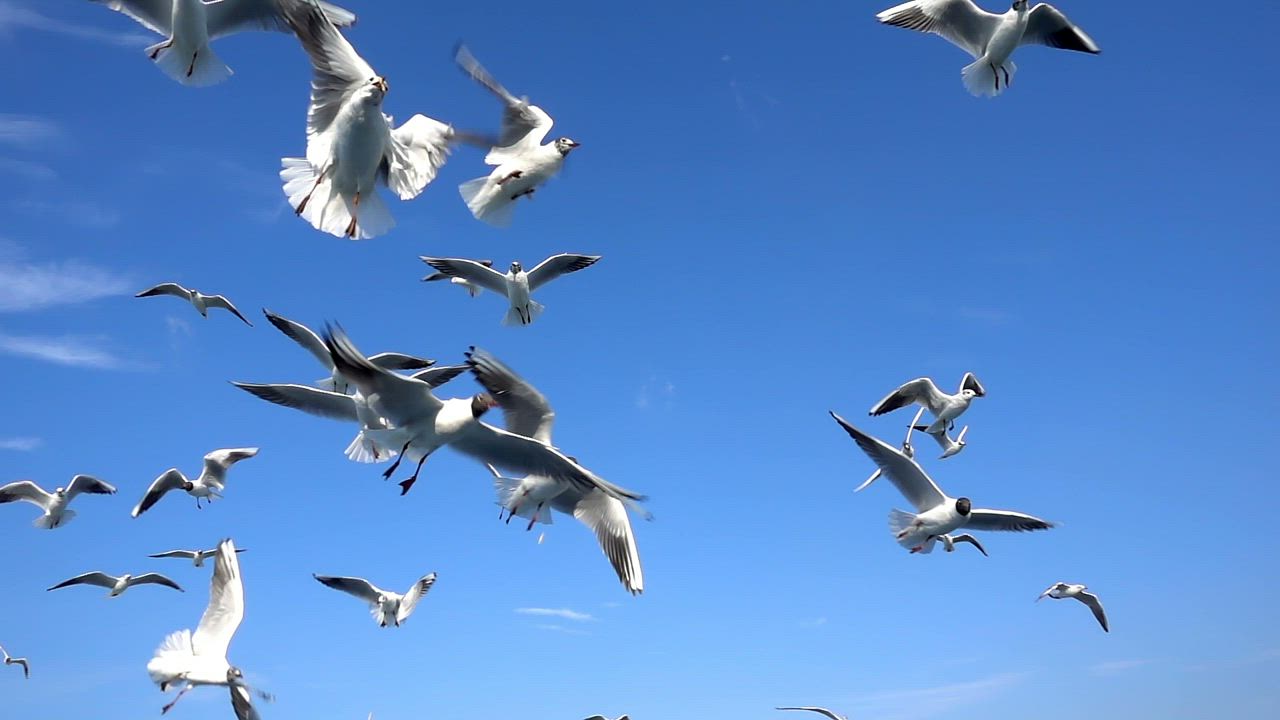

The skylark symbolizes:
A spiritual being (“blithe Spirit”)
Freedom from earthly limitations
Pure, unrestrained joy
It is not just a bird but an idealized figure.
2. Light Imagery
Shelley frequently uses images of light:
“Like a cloud of fire”
“Like a star of Heaven”
Light represents:
Purity
Divinity
Inspiration
3. Comparison and Metaphor
The poem is filled with similes:
The skylark is compared to a poet, a maiden, a rose
However, each comparison is shown to be inadequate, emphasizing the bird’s uniqueness.
Structure and Form
1. Irregular Ode Structure
The poem consists of 21 stanzas, each with 5 lines, following a musical rhyme scheme:
ABABB
This structure creates:
A lyrical, song-like quality
A sense of upward movement
2. Musical Rhythm
The rhythm of the poem mimics the skylark’s song:
Flowing and melodious
Energetic and uplifting
Language and Tone
The language of the poem is:
Rich and imaginative
Elevated and expressive
The tone shifts from:
Wonder and admiration
To longing and desire
Philosophical Dimensions
1. Romantic Idealism
Shelley presents an ideal world beyond human suffering. The skylark becomes a symbol of this ideal.
2. Human Condition
The poem reflects on:
The inevitability of suffering
The imperfection of human happiness
3. Role of the Poet
Shelley suggests that the poet:
Seeks truth and beauty
Attempts to capture the ideal
However, unlike the skylark, the poet is limited by human experience.
Romantic Features
The poem strongly reflects Romantic ideals:
Emphasis on nature
Celebration of imagination
Focus on emotion
Search for transcendence
Critical Perspectives
1. Idealist Reading
The skylark represents a perfect, unattainable ideal.
2. Psychological Reading
The poem reflects human dissatisfaction and the desire for escape from suffering.
3. Aesthetic Reading
The poem is admired for its musicality, imagery, and lyrical beauty.
Comparison with Other Romantic Poems
Ode to a Nightingale: Focuses on escape from reality
Ode to Autumn: Accepts reality
To a Skylark: Seeks transcendence beyond reality
Relevance in the Modern World
The poem remains relevant because:
It reflects the human search for happiness
It highlights emotional struggles
It inspires creative expression
Conclusion
Percy Bysshe Shelley’s To a Skylark is a powerful exploration of joy, beauty, and the limitations of human existence. Through the symbol of the skylark, Shelley presents an ideal of pure happiness that humans can admire but never fully attain.
The poem’s lasting appeal lies in its lyrical beauty and philosophical depth. It reminds us that while perfection may be beyond our reach, the desire to understand it is what drives poetry, imagination, and human creativity.


Comments
Post a Comment