The Trail of the Green Blazer
Childhood Innocence, Guilt, and Moral Awakening: A Critical Reading of The Trail of the Green Blazer
Introduction
R. K. Narayan’s The Trail of the Green Blazer is a simple yet deeply meaningful story that explores childhood curiosity, moral conflict, and the consequences of seemingly small actions. Set in Narayan’s fictional town of Malgudi, the story reflects everyday life with subtle humor and psychological insight.
This blog presents a detailed and critically enriched analysis of the story, focusing on its themes, characters, narrative technique, and moral significance in clear, postgraduate-level language.
Context and Background
R. K. Narayan is known for portraying ordinary Indian life with simplicity and depth. His stories often focus on children, middle-class families, and moral dilemmas. In The Trail of the Green Blazer, Narayan examines how a child’s innocent mistake leads to a deeper understanding of guilt and responsibility.
The story reflects Narayan’s characteristic style:
Simple narration
Realistic setting
Psychological depth
Plot Summary
Beginning: Curiosity and Temptation
The story revolves around a young boy named Rajam (in some versions, the protagonist may be unnamed depending on the text edition), who becomes fascinated by a green blazer belonging to another person. The blazer appears attractive and valuable, sparking curiosity and desire.
Middle: The Act of Taking
Driven by childish impulse rather than criminal intent, the boy takes the blazer. At first, he does not fully understand the seriousness of his action. However, as time passes:
Fear begins to grow
He becomes anxious about being caught
His conscience starts troubling him
Climax: Psychological Conflict
The boy experiences intense inner conflict:
He tries to hide the blazer
He imagines consequences
His guilt becomes overwhelming
Narayan focuses more on the psychological tension than on external action.
Ending: Realization and Moral Awakening
Eventually, the boy realizes the wrongness of his act. Whether or not he is punished externally, the real punishment is internal—his guilt and fear.
The story ends with a moral realization:
Actions have consequences
Even small wrongdoings affect the mind deeply
Major Themes
1. Childhood Innocence and Curiosity
The boy’s action is not driven by greed but by curiosity. This reflects:
The innocence of childhood
Lack of moral awareness
Narayan shows that children learn morality through experience.
2. Guilt and Conscience
The most important theme is psychological guilt:
The boy cannot enjoy the stolen object
His mind becomes restless
This suggests that:
Conscience is a powerful force
Inner punishment is stronger than external punishment
3. Moral Development
The story shows how a child moves from:
Innocence → Mistake → Realization
This reflects the process of moral growth.
4. Consequences of Actions
Even a small act like taking a blazer leads to:
Fear
Anxiety
Emotional distress
Narayan emphasizes responsibility.
Character Analysis
The Boy (Protagonist)
The central character represents:
Innocence
Curiosity
Moral development
His transformation is internal rather than external.
Other Characters
Though not heavily developed, other characters represent:
Social order
Authority
Moral expectations
Symbolism
1. The Green Blazer
The blazer symbolizes:
Desire
Temptation
Moral conflict
It becomes a source of psychological burden rather than pleasure.
2. The “Trail”
The “trail” suggests:
The path of wrongdoing
The consequences that follow
It symbolizes how actions leave traces.
Setting and Visual Imagination
Malgudi – Everyday Life

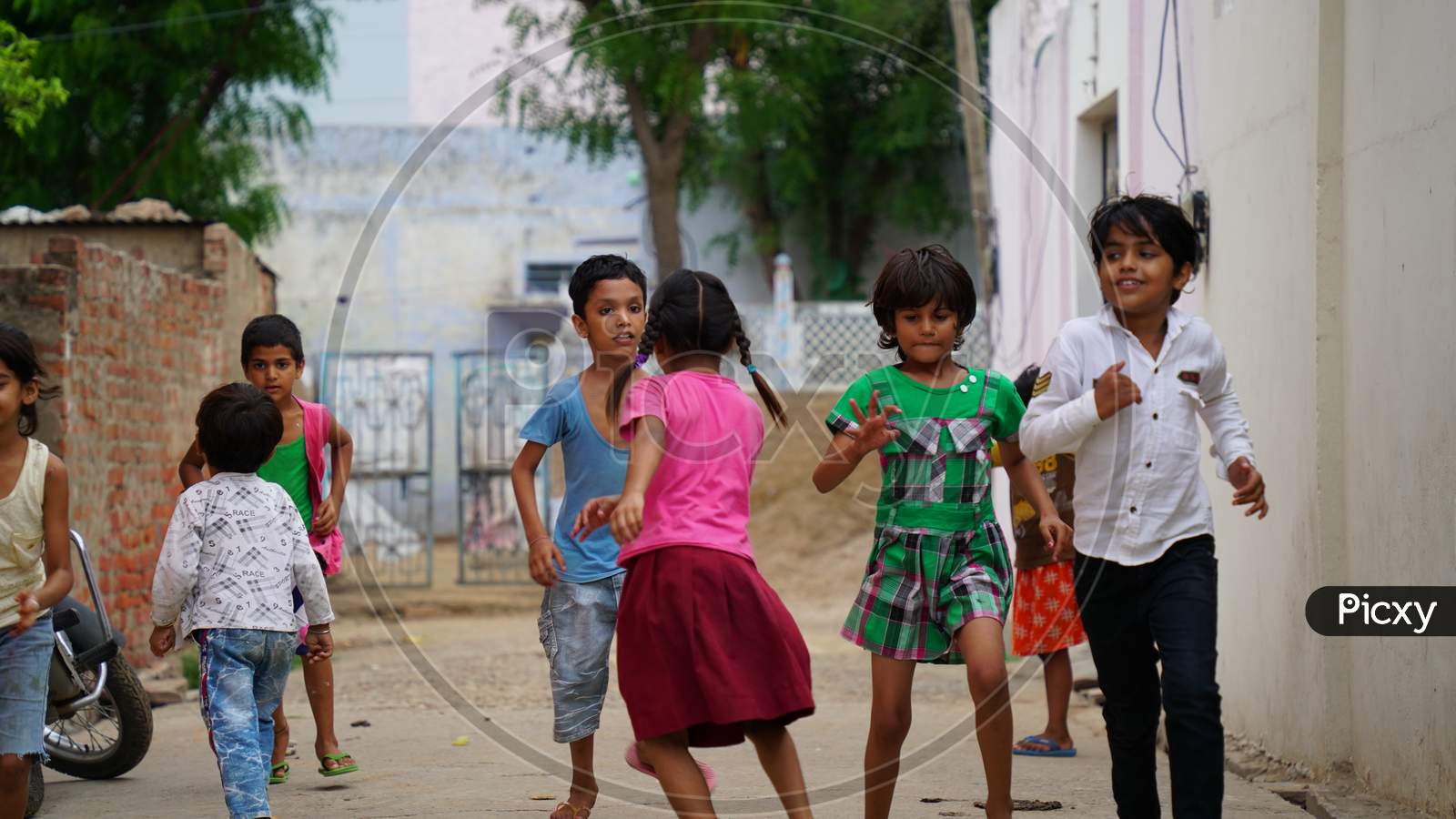
The setting reflects:
Ordinary middle-class life
Familiar surroundings
Realistic social environment
Narayan uses a simple setting to highlight universal experiences.
Narrative Technique
1. Psychological Realism
The focus is on the boy’s inner thoughts:
Fear
Anxiety
Guilt
2. Simple and Direct Style
Narayan avoids complexity:
Clear narration
Easy language
Deep meaning
3. Subtle Humor
Even in a serious situation, there is gentle humor that makes the story relatable.
Language and Tone
The language is:
Simple
Natural
Engaging
The tone is:
Reflective
Sympathetic
Slightly ironic
Philosophical Dimensions
1. Nature of Morality
The story suggests:
Morality develops through experience
Right and wrong are understood gradually
2. Inner vs. Outer Punishment
The boy suffers internally:
His conscience acts as a judge
This reflects a deeper psychological truth.
3. Human Nature
The story shows that:
Everyone makes mistakes
Growth comes from realizing them
Critical Perspectives
1. Psychological Reading
Focuses on:
Guilt
Fear
Inner conflict
2. Moral Reading
Highlights:
Ethical lessons
Importance of honesty
3. Realist Approach
Shows:
Everyday life
Ordinary situations with deeper meaning
Relevance in the Modern World
The story remains relevant because:
Children still face moral dilemmas
Small actions can have big consequences
Psychological guilt is universal
Conclusion
R. K. Narayan’s The Trail of the Green Blazer is a subtle yet powerful exploration of childhood innocence, guilt, and moral awakening. Through a simple narrative, Narayan reveals deep psychological truths about human behavior.
The story teaches that true punishment does not always come from society but from within. It reminds us that honesty, responsibility, and self-awareness are essential for personal growth.


Comments
Post a Comment