The Thakur’s Well
Caste, Oppression, and the Struggle for Dignity: A Critical Reading of The Thakur’s Well
Introduction
Premchand’s The Thakur's Well is one of the most powerful social realist stories in Indian literature. Written in Hindi as “Thakur ka Kuan,” the story exposes the harsh realities of caste discrimination, untouchability, and social injustice in rural India.
Through a simple yet intense narrative, Premchand presents the lived experience of marginalized communities and highlights the basic human struggle for dignity and survival. This blog offers a detailed and critically enriched analysis suitable for postgraduate-level understanding.
Context and Background
Premchand is known as a pioneer of social realism in Indian literature. His works focus on:
Poverty
Caste oppression
Rural life
Social injustice
The Thakur’s Well reflects the deeply hierarchical caste system in colonial India, where lower-caste individuals were denied access to basic resources like water.
Plot Summary
Beginning: Poverty and Illness
The story revolves around a poor Dalit woman, Gangi, and her husband Jokhu. Jokhu is ill and suffering from thirst, but the water available to them is dirty and contaminated.
Middle: The Dilemma
Gangi faces a difficult choice:
Drink polluted water and risk illness
Fetch clean water from the Thakur’s well, which is forbidden for lower castes
Despite fear, she decides to go to the Thakur’s well at night.
Climax: Fear and Tension
As Gangi approaches the well:
She is terrified of being caught
She hides and waits for the right moment
The scene is filled with tension and anxiety.
Ending: Failure and Irony
Just as she attempts to draw water, she becomes frightened and runs away. In the end, Jokhu drinks the same dirty water.
The story ends with deep irony and tragedy:
Clean water is available but inaccessible
Social rules are stronger than human need
Major Themes
1. Caste Discrimination
The central theme is caste-based oppression:
Lower castes are denied basic rights
Social hierarchy controls access to resources
The well becomes a symbol of exclusion.
2. Social Injustice
The story exposes:
Inequality
Exploitation
Lack of basic human rights
Premchand critiques a system where survival itself becomes a struggle.
3. Fear and Psychological Oppression
Gangi’s fear is not just physical but psychological:
Internalized oppression
Fear of punishment
This shows how deeply caste affects the mind.
4. Human Dignity and Survival
The story raises a fundamental question:
Should social rules override human survival?
Gangi’s struggle reflects the fight for dignity.
5. Irony of Society
The irony lies in:
Availability of clean water
Inaccessibility due to caste
This highlights the absurdity of social divisions.
Character Analysis
Gangi
Gangi is brave yet fearful:
Represents marginalized women
Shows courage in challenging norms
Ultimately trapped by social fear
Jokhu
He represents:
Physical suffering
Helplessness
His illness highlights the urgency of the situation.
The Thakur
Though not directly present, the Thakur represents:
Power
Authority
Oppression
Symbolism
1. The Well
The well symbolizes:
Power and privilege
Social exclusion
Control over resources
2. Dirty Water
It represents:
Poverty
Neglect
Forced suffering
3. Night
Night symbolizes:
Fear
Secrecy
Resistance
Setting and Visual Imagination
Rural Village and the Well
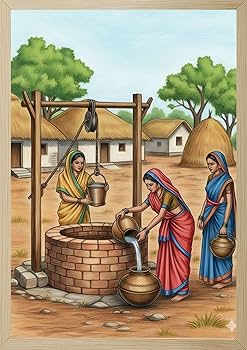
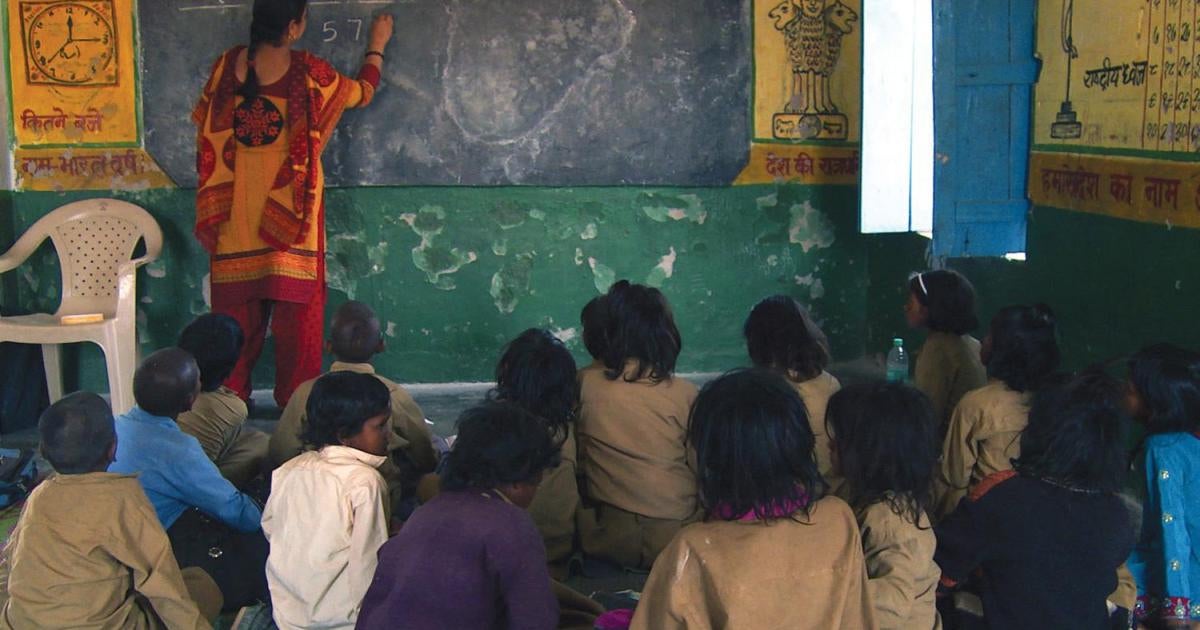
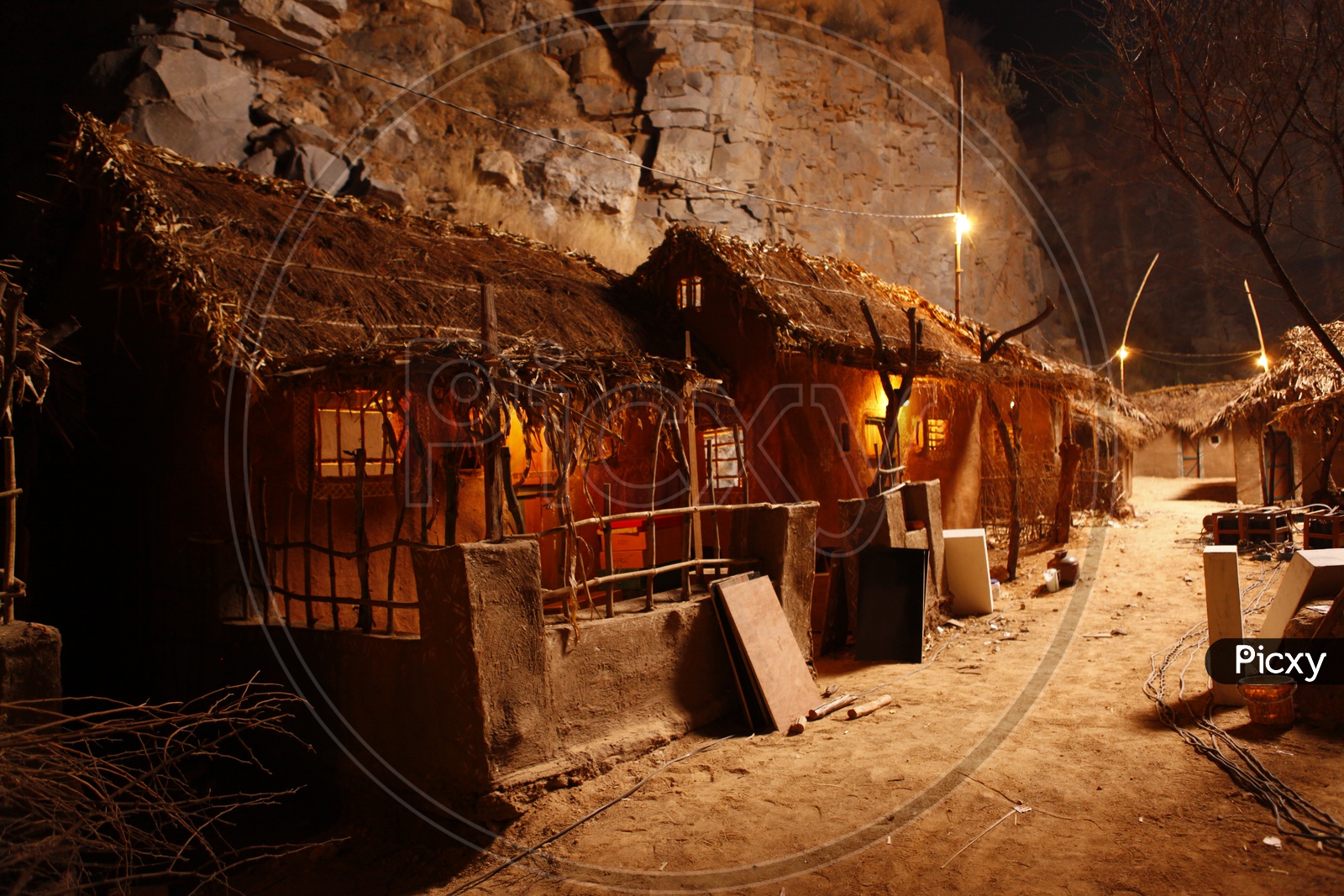
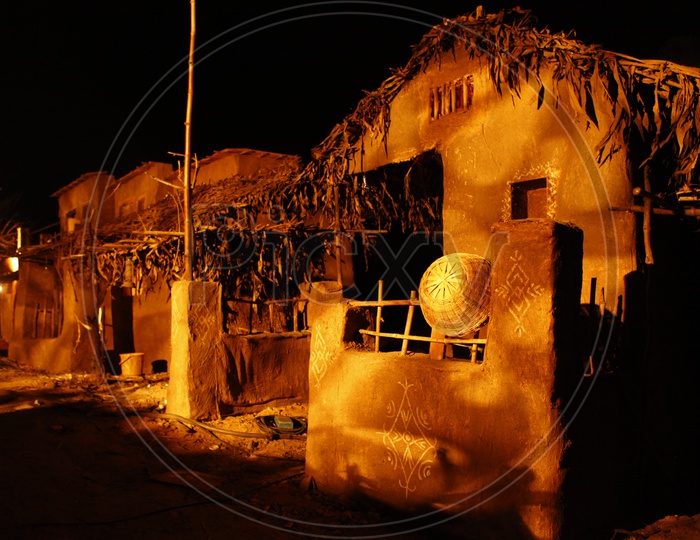
The setting reflects:
Rural poverty
Social hierarchy
Isolation
Narrative Technique
1. Realism
Premchand presents:
Real-life situations
Authentic social conditions
2. Tension and Suspense
The well scene creates:
Fear
Anxiety
Emotional intensity
3. Irony
The ending is deeply ironic, emphasizing injustice.
Language and Tone
The language is:
Simple
Direct
Powerful
The tone is:
Serious
Sympathetic
Critical
Philosophical Dimensions
1. Ethics vs. Social Norms
The story questions:
Whether social rules are morally justified
2. Human Rights
It highlights:
Right to basic resources
Right to dignity
3. Power Structures
The story exposes:
How power controls survival
Critical Perspectives
1. Marxist Reading
Focuses on:
Class struggle
Control of resources
2. Dalit Perspective
Highlights:
Caste oppression
Marginalized voices
3. Feminist Reading
Gangi represents:
Double oppression (caste + gender)
Relevance in the Modern World
The story remains relevant because:
Caste discrimination still exists
Access to resources is unequal
Social justice remains a key issue
Conclusion
Premchand’s The Thakur's Well is a powerful critique of caste-based oppression and social injustice. Through the simple story of a woman seeking water, Premchand exposes deep inequalities in society.
The story reminds us that basic human needs should never be restricted by social hierarchy. It calls for empathy, equality, and justice, making it a timeless and socially relevant work.


Comments
Post a Comment