Poem: Chinua Achebe’s Vulture
Introduction: Poet and Context

Chinua Achebe, one of the most significant voices in African literature, is widely known for his ability to explore moral complexity, colonial history, and human contradictions. Although he is best recognized for novels like Things Fall Apart, his poetry is equally powerful in its philosophical depth and simplicity of expression.
The poem Vultures is a striking meditation on the coexistence of good and evil within human nature. Written in the context of global violence, especially the horrors associated with Nazi concentration camps, the poem juxtaposes two seemingly unrelated images: vultures feeding on a corpse and a Nazi commandant showing affection to his child. Through this contrast, Achebe explores one of the most disturbing questions: How can cruelty and tenderness exist within the same being?
Summary of the Poem
The poem opens with a vivid and unsettling image of vultures perched on a tree after rain, feeding on a rotting corpse. Despite the grotesque setting, Achebe introduces an unexpected detail: the vultures display a form of affection toward each other.
The poem then shifts dramatically to a human context—a Nazi officer at a concentration camp, who spends his day supervising acts of mass killing, yet later buys chocolate for his child, showing love and care.
This parallel between vultures and humans forms the central idea of the poem. Achebe does not offer a simple moral judgment but instead presents a complex view of human nature.
Connection Between Nazis and Vultures
The connection between Nazis and vultures is symbolic and ironic, and it lies at the heart of the poem’s meaning.
1. Both Feed on Death
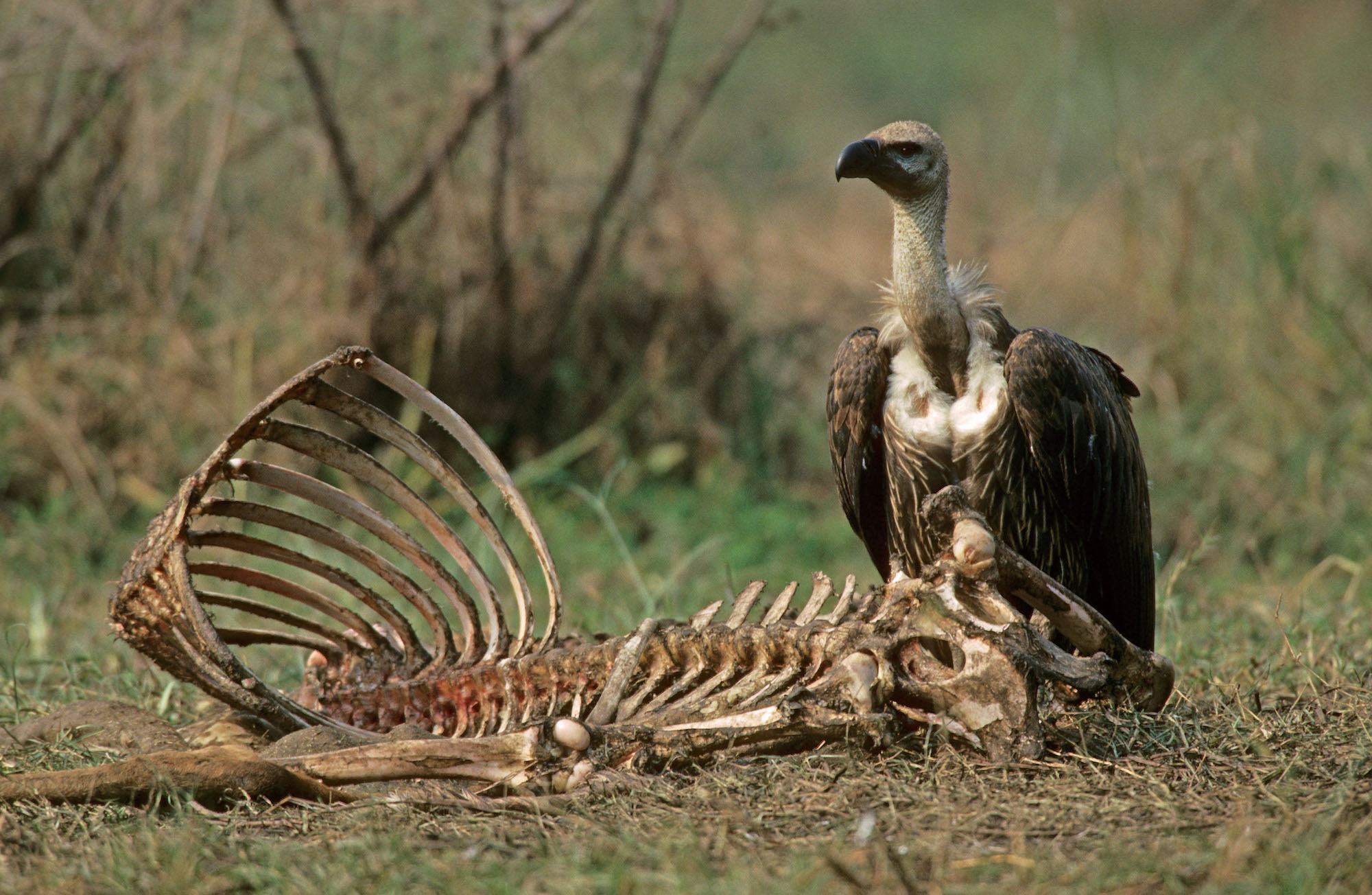


Vultures are naturally associated with death. They feed on decaying bodies and are often seen as symbols of destruction and decay.
Similarly, the Nazi regime—especially in the context of concentration camps—thrived on systematic killing. The Nazi officer in the poem is metaphorically like a vulture:
He presides over death daily
He is part of a system that consumes human lives
His actions are morally repulsive
Thus, just as vultures survive by feeding on corpses, Nazis are depicted as feeding on human suffering and destruction.
2. The Paradox of Love in Both
However, Achebe complicates this comparison by introducing a surprising element—love.
In the case of vultures:
Despite their gruesome environment, they show affection toward each other
This suggests that even in a setting of death, some form of care exists
In the case of the Nazi officer:
After a day of cruelty, he lovingly buys chocolate for his child
He is capable of tenderness despite his involvement in horrific acts
This creates a disturbing parallel:
Both vultures and Nazis possess the ability to love, even while being surrounded by or participating in death.
3. The Dual Nature of Existence


Achebe uses this comparison to highlight the duality of existence:
Good and evil are not separate entities
They coexist within the same being
Moral contradictions are inherent in life
The Nazi officer is not portrayed as a monster devoid of feeling. Instead, he is disturbingly human. This makes the poem more powerful because it suggests that:
Evil is not always external—it can exist within ordinary human beings.
Similarly, vultures, though symbols of death, are not purely evil; they also show care and connection.
4. Irony and Moral Shock
The comparison between Nazis and vultures creates deep irony:
Vultures, often seen as disgusting creatures, show love
Humans, who are expected to be moral and rational, commit atrocities
This reversal shocks the reader. It challenges the assumption that humans are morally superior to animals.
Achebe seems to suggest that:
The capacity for both cruelty and kindness defines existence, not just humanity.
5. The “Strange Kindness of Vultures”
One of the most important phrases in the poem is the idea of the “strange kindness” found even in creatures associated with death.
This phrase applies to both vultures and Nazis:
The vultures’ affection is unexpected
The Nazi’s love for his child is equally unsettling
Achebe uses this to emphasize that kindness does not cancel out cruelty. Instead, both coexist in a troubling balance.
Themes Highlighted Through This Connection
1. Coexistence of Good and Evil
The poem’s central theme is that good and evil are inseparable. The Nazi officer’s love does not erase his crimes, just as the vultures’ affection does not make their actions pleasant.
2. Moral Complexity
Achebe rejects simplistic moral categories. Instead of labeling characters as purely good or evil, he presents them as complex beings.
3. Human Hypocrisy
The poem indirectly critiques human hypocrisy. Humans often believe themselves to be superior to animals, yet they are capable of far greater cruelty.
4. The Normalization of Violence
The Nazi officer’s routine—killing by day, loving by night—shows how violence can become normalized.
Critical Interpretation
From a critical perspective, Vultures can be read as a commentary on modern civilization. The reference to Nazis is not accidental; it represents one of the darkest moments in human history.
Achebe suggests that:
Civilization does not eliminate cruelty
Education and culture do not guarantee morality
Even “civilized” individuals can commit barbaric acts
This aligns with postcolonial and existential concerns about human nature and morality.
Conclusion
In Vultures, Chinua Achebe creates a powerful and unsettling comparison between vultures and Nazis to explore the paradox of human nature. Both are associated with death, yet both display forms of love.
Through this connection, Achebe challenges the reader to confront an uncomfortable truth:
Good and evil are not separate forces—they coexist within the same world, and often within the same individual.
The poem does not offer easy answers or moral comfort. Instead, it leaves us with a profound question about the nature of humanity:
If even those who commit atrocities can love, what does that say about the boundaries between good and evil?
This ambiguity is what makes Vultures a deeply thought-provoking and enduring poem.


Comments
Post a Comment