Oliver Twist
Poverty, Innocence, and Social Injustice: A Critical Reading of Oliver Twist
Introduction
Charles Dickens’s Oliver Twist is one of the most influential social novels in English literature. Published serially between 1837 and 1839, the novel exposes the harsh realities of poverty, child exploitation, and the cruelty of institutional systems in Victorian England.
Through the story of an orphan boy, Dickens not only creates a compelling narrative but also delivers a powerful critique of society. This blog offers a detailed and critically enriched analysis suitable for postgraduate-level understanding.
Context and Background
The novel was written during the Victorian era, a time marked by:
Industrialization
Urban poverty
Harsh workhouse conditions
Dickens himself experienced poverty in childhood, which deeply influenced his writing. Oliver Twist reflects his concern for social reform and his sympathy for the poor and vulnerable.
Plot Summary
Beginning: Birth and Hardship
The story begins with the birth of Oliver Twist in a workhouse. His mother dies soon after, leaving him an orphan. Oliver grows up in harsh conditions, suffering neglect and abuse.
The famous moment occurs when Oliver asks for more food:
“Please, sir, I want some more.”
This act leads to punishment and marks his resistance to injustice.
Middle: Escape and Criminal World
Oliver runs away to London, where he encounters a group of criminals led by Fagin.
He meets Artful Dodger
He is trained as a pickpocket
However, he remains morally pure
Oliver is later rescued by kind individuals like Mr Brownlow.
Climax: Conflict and Revelation
The villain Bill Sikes forces Oliver into criminal activity. Meanwhile, secrets about Oliver’s parentage begin to emerge.
Nancy, a compassionate character within the criminal world, tries to protect Oliver.
Ending: Justice and Restoration
Bill Sikes dies
Fagin is arrested and executed
Oliver’s true identity is revealed
Oliver is finally adopted by Mr. Brownlow and finds a safe and loving home.
Major Themes
1. Social Injustice and Poverty
The novel exposes:
Harsh workhouse conditions
Exploitation of children
Inequality in society
Dickens criticizes systems that fail the poor.
2. Innocence vs. Corruption
Oliver represents innocence:
Despite being surrounded by crime
He remains morally pure
The contrast between Oliver and the criminal world highlights moral conflict.
3. Crime and Society
Dickens suggests:
Crime is often a result of social conditions
Poverty pushes people into wrongdoing
4. Good vs. Evil
The novel presents clear moral contrasts:
Oliver, Mr. Brownlow → Good
Fagin, Sikes → Evil
5. Identity and Belonging
Oliver’s journey reflects:
Search for identity
Desire for family and belonging
Character Analysis
Oliver Twist
Oliver Twist is:
Innocent
Kind
Resilient
He represents moral purity.
Fagin
Fagin is:
Manipulative
Greedy
Corrupt
He represents exploitation.
Bill Sikes
Bill Sikes symbolizes violence and brutality.
Nancy
Nancy is:
Compassionate
Tragic
She represents moral conflict within corruption.
Mr. Brownlow
Mr Brownlow represents kindness and justice.
Setting and Visual Imagination
Victorian London
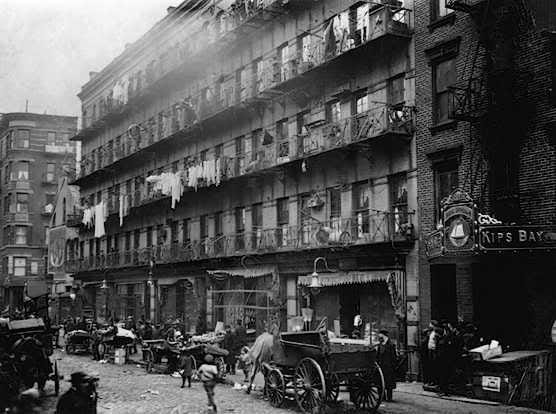

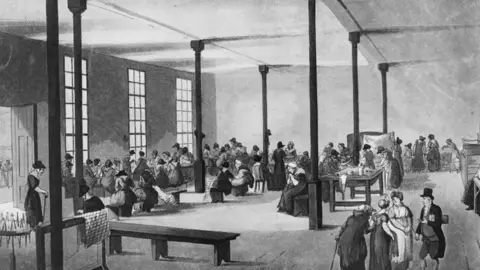
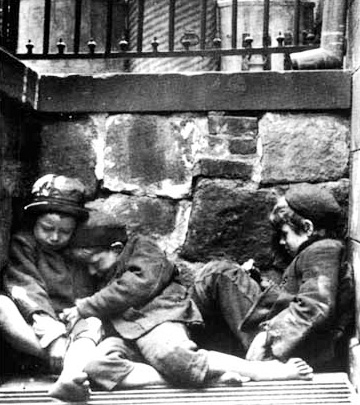
The setting reflects:
Poverty
Crime
Industrial society
Symbolism
1. Workhouse
Symbolizes:
Institutional cruelty
Social neglect
2. Food
Represents:
Survival
Inequality
3. London
Symbolizes:
Opportunity
Danger
Narrative Technique
1. Realism and Social Criticism
Dickens combines:
Realistic depiction
Moral commentary
2. Episodic Structure
The story unfolds through:
Series of events
Different environments
3. Emotional Appeal
Dickens uses:
Sentiment
Dramatic situations
Language and Style
The language is:
Descriptive
Emotional
Engaging
The tone is:
Critical
Sympathetic
Philosophical Dimensions
1. Nature vs. Nurture
The novel suggests:
Goodness is inherent (Oliver)
Environment influences behavior
2. Ethics and Society
Raises questions about:
Responsibility toward the poor
Moral duty of society
3. Human Nature
Shows both:
Cruelty
Compassion
Critical Perspectives
1. Marxist Reading
Focuses on:
Class struggle
Economic inequality
2. Feminist Perspective
Nancy’s character reflects:
Gender oppression
Sacrifice
3. Social Reform View
The novel aims to:
Inspire change
Criticize institutions
Relevance in the Modern World
The novel remains relevant because:
Poverty and inequality still exist
Child exploitation continues
Social justice remains important
Conclusion
Charles Dickens’s Oliver Twist is a powerful critique of social injustice and a celebration of human resilience. Through Oliver’s journey, Dickens highlights the importance of compassion, justice, and moral integrity.
The novel’s enduring impact lies in its ability to combine storytelling with social criticism, making it both emotionally engaging and intellectually significant. It reminds us that even in the harshest conditions, innocence and goodness can survive.


Comments
Post a Comment