Ode to Autumn
Season, Sensation, and Stillness: A Detailed Critical Reading of Ode to Autumn
Introduction
John Keats’s Ode to Autumn is one of the finest achievements of Romantic poetry and is often considered his most perfect ode. Written in 1819, a year of extraordinary creativity for Keats, the poem captures the beauty, richness, and quiet melancholy of the autumn season. Unlike many other Romantic poems that emphasize intense emotion or imaginative escape, Ode to Autumn celebrates the present moment with remarkable balance, sensory detail, and philosophical depth.
This blog offers a detailed and critically enriched analysis of the poem, examining its themes, imagery, structure, philosophical insights, and its place within Romantic literature—all explained in clear, accessible language suitable for postgraduate study.
Context and Background
Keats wrote Ode to Autumn after a peaceful walk near Winchester. The poem reflects his mature poetic vision, where he no longer seeks escape from reality but embraces it fully. This is significant because earlier Romantic poets often idealized nature as a refuge, whereas Keats presents nature as complete in itself.
The poem belongs to a series of great odes written by Keats in 1819, including Ode to a Nightingale and Ode on a Grecian Urn. However, Ode to Autumn stands apart for its calm acceptance of life’s cycle, without any sense of conflict or tension.
Summary of the Poem
The poem consists of three stanzas, each representing a different aspect of autumn:
First Stanza: The Season of Abundance
Keats describes autumn as a time of fullness and ripeness. The fields are rich with crops, fruits are heavy on the vines, and everything appears mature and complete.
Second Stanza: Personification of Autumn
Autumn is imagined as a human figure—a reaper, a gleaner, or someone resting after work. This stanza slows down the pace and focuses on stillness and quiet observation.
Third Stanza: The Music of Autumn
Instead of mourning the end of spring, Keats celebrates the unique sounds of autumn—buzzing insects, bleating lambs, singing birds—suggesting that every season has its own beauty.
Major Themes
1. The Beauty of Maturity and Fulfillment
One of the central themes of the poem is the celebration of maturity. Unlike spring, which symbolizes youth and beginnings, autumn represents completion and fulfillment.
Keats shows that:
Growth has reached its peak
Nature is at its richest stage
There is satisfaction in completion
This reflects a philosophical acceptance of life’s stages.
2. Transience and the Passage of Time
Although the poem celebrates abundance, there is an underlying awareness that this richness will not last. Autumn is a transitional season—it stands between life and decline.
However, Keats does not express fear or sadness. Instead, he accepts change as natural and inevitable.
3. Harmony Between Life and Death
The poem subtly connects life and death. The ripeness of fruits suggests both life at its fullest and the beginning of decay.
This duality reflects Keats’s deeper philosophy:
Life and death are interconnected
Beauty exists even in endings
4. Acceptance of Reality
Unlike some Romantic poets who escape into imagination, Keats embraces reality. He does not idealize autumn as something eternal but accepts it as part of a natural cycle.
This acceptance reflects Keats’s concept of Negative Capability—the ability to remain content with uncertainty and impermanence.
Imagery and Sensory Experience
One of the most remarkable aspects of Ode to Autumn is its rich sensory imagery.
1. Visual Imagery

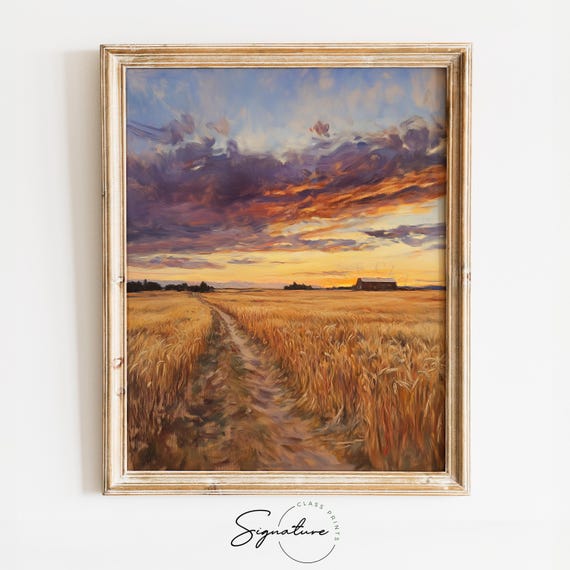

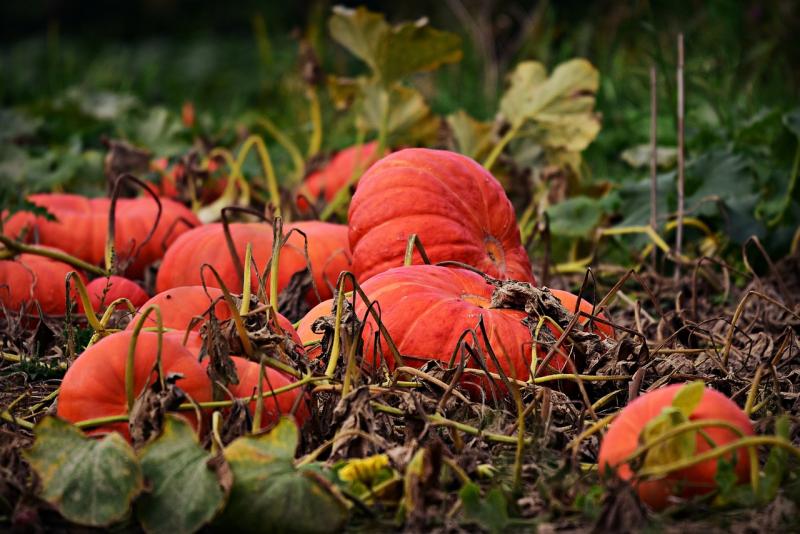
Keats paints vivid pictures of:
Ripening fruits
Golden fields
Overflowing granaries
These images create a sense of richness and warmth.
2. Tactile and Kinesthetic Imagery
We can almost feel:
The softness of ripe fruit
The warmth of the sun
The slow movement of harvest
This physical quality makes the poem deeply immersive.
3. Auditory Imagery (The Music of Autumn)

The final stanza is filled with sound:
Gnats buzzing
Lambs bleating
Birds singing
This creates a musical ending that celebrates the season’s unique voice.
Personification of Autumn
Keats personifies autumn as a human figure:
A farmer sitting carelessly on a granary floor
A reaper resting while harvesting
A gleaner collecting leftover crops
This personification makes autumn:
Gentle and calm
Human-like and relatable
Associated with rest and fulfillment
Structure and Style
1. Three-Stanza Structure
Each stanza represents:
Growth and abundance
Stillness and fulfillment
Sound and gradual decline
This structure mirrors the passage of time.
2. Language and Tone
The tone of the poem is:
Calm and meditative
Rich and descriptive
Balanced and harmonious
Keats uses simple yet highly poetic language, making the poem accessible but profound.
3. Use of Imagery Over Argument
Unlike argumentative poetry, Keats relies on images rather than explanations. The meaning emerges through sensory experience rather than direct statement.
Philosophical Dimensions
1. Time and Temporality
The poem reflects on how time moves naturally and continuously. There is no attempt to resist or control it.
2. Beauty in Impermanence
Keats suggests that beauty lies in transience. The temporary nature of autumn makes it more precious.
3. Existential Acceptance
The poem encourages acceptance of life as it is, without seeking permanence or certainty.
Romantic Features of the Poem
Ode to Autumn embodies key features of Romanticism:
Deep connection with nature
Emphasis on sensory experience
Focus on emotion and imagination
Celebration of ordinary life
However, Keats’s approach is more balanced and less dramatic than other Romantic poets.
Critical Perspectives
1. Formalist Reading
The poem is admired for its perfect structure, balance, and unity.
2. Ecocritical Perspective
The poem reflects a deep ecological awareness, emphasizing harmony between humans and nature.
3. Philosophical Reading
It represents a mature acceptance of life’s cycles and the inevitability of change.
Comparison with Other Odes
Compared to Keats’s other odes:
Ode to a Nightingale expresses escape and sorrow
Ode on a Grecian Urn explores permanence vs. change
Ode to Autumn shows acceptance and completeness
Thus, Ode to Autumn represents the culmination of Keats’s poetic thought.
Relevance in the Modern World
The poem remains relevant today because:
It teaches us to appreciate the present
It encourages acceptance of change
It highlights the beauty of nature
In a fast-paced world, Keats reminds us to slow down and observe life.
Conclusion
Ode to Autumn is a celebration of life in its fullest and most mature form. Through rich imagery, balanced structure, and deep philosophical insight, John Keats transforms a simple season into a profound meditation on time, beauty, and existence.
The poem’s greatness lies in its quietness—it does not dramatize or exaggerate but gently invites us to see the beauty in what is ordinary and temporary. In doing so, it offers a timeless lesson: life does not need to be eternal to be meaningful; its very transience is what makes it beautiful.


Comments
Post a Comment