Emma
Self-Discovery, Social Class, and the Art of Misjudgment: A Critical Reading of Emma
Introduction
Jane Austen’s Emma is one of the most refined and complex novels in English literature. Published in 1815, the novel presents a unique heroine—Emma Woodhouse—who is intelligent, charming, but deeply flawed. Unlike many traditional heroines, Emma’s journey is not about finding love alone, but about recognizing her own mistakes and achieving moral growth.
This blog offers a detailed and critically enriched analysis of Emma, focusing on its plot, characters, themes, narrative technique, and philosophical insights, written in clear language suitable for postgraduate study.
Context and Background
Jane Austen wrote Emma during the Regency period, a time marked by strict social hierarchy and emphasis on manners, marriage, and class distinction. Austen’s novels often explore domestic life, but beneath this surface lies sharp social criticism.
Emma is often described as a “comedy of manners,” where social behavior, etiquette, and relationships are examined with subtle irony.
Plot Summary
Beginning: Emma as a Matchmaker
The story centers on Emma Woodhouse, a wealthy and confident young woman who believes she has a talent for matchmaking. After successfully arranging the marriage of her governess, she decides to find a suitable match for her new friend, Harriet Smith.
Middle: Misjudgments and Confusion
Emma misinterprets relationships:
She discourages Harriet from marrying Robert Martin
She assumes Mr Elton loves Harriet, but he actually proposes to Emma
She misunderstands the behavior of Frank Churchill
Throughout, Mr Knightley serves as a moral guide, often correcting Emma’s errors.
Climax: Realization and Growth
Emma gradually realizes:
Her interference has caused harm
She has misjudged people
She also recognizes her own feelings for Mr. Knightley.
Ending: Resolution
Emma and Mr. Knightley marry
Harriet marries Robert Martin
Social harmony is restored
Emma achieves self-awareness and emotional maturity.
Major Themes
1. Self-Discovery and Moral Growth
The central theme is Emma’s journey of self-realization:
She learns from her mistakes
Gains humility and understanding
2. Marriage and Relationships
Marriage is a key theme:
Different types of marriages are presented
Compatibility and understanding are emphasized
3. Social Class and Hierarchy
The novel reflects strict class divisions:
Emma belongs to the upper class
Harriet’s uncertain status creates tension
Austen critiques social snobbery subtly.
4. Illusion vs. Reality
Emma often misinterprets situations:
She sees what she wants to see
Reality is revealed gradually
5. Role of Women
The novel explores:
Limited opportunities for women
Marriage as a central goal
Character Analysis
Emma Woodhouse
Emma Woodhouse is:
Intelligent and confident
Kind but misguided
Capable of growth
She is a dynamic character who evolves throughout the novel.
Mr. Knightley
Mr Knightley represents:
Wisdom
Morality
Balance
He guides Emma toward self-awareness.
Harriet Smith
Harriet Smith is:
Naive and impressionable
Influenced by Emma
Mr. Elton
Mr Elton represents:
Social ambition
Hypocrisy
Frank Churchill
Frank Churchill is:
Charming but deceptive
Setting and Visual Imagination
Highbury – A Social World

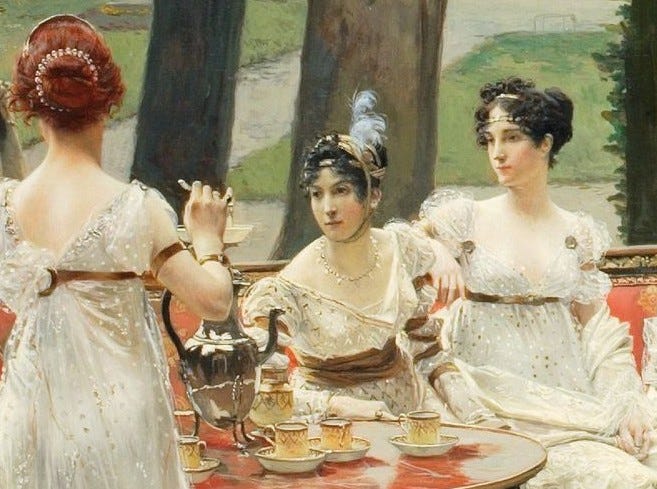


The setting reflects:
Social interactions
Class hierarchy
Controlled domestic life
Structure and Narrative Technique
1. Third-Person Narrative
The story is told through Emma’s perspective, creating:
Insight into her thoughts
Limited understanding (unreliable perception)
2. Irony
Austen uses irony to:
Reveal Emma’s mistakes
Critique society
3. Realism
The novel focuses on:
Everyday life
Social interactions
Language and Style
The language is:
Elegant
Witty
Subtle
The tone is:
Light yet critical
Humorous yet insightful
Philosophical Dimensions
1. Knowledge and Self-Awareness
The novel suggests:
True wisdom comes from self-knowledge
2. Ethics of Interference
Emma’s actions raise questions about:
Controlling others’ lives
Responsibility for consequences
3. Human Imperfection
Austen shows that:
Everyone makes mistakes
Growth is possible
Critical Perspectives
1. Feminist Reading
Emma is independent but still limited by societal expectations.
2. Marxist Perspective
Focuses on class structure and inequality.
3. Moral Reading
Emphasizes ethical growth and self-awareness.
Relevance in the Modern World
The novel remains relevant because:
People still misjudge others
Social status continues to influence relationships
Personal growth remains essential
Conclusion
Jane Austen’s Emma is a brilliant exploration of human behavior, social structure, and personal growth. Through the character of Emma Woodhouse, Austen presents a journey from illusion to understanding, from arrogance to humility.
The novel teaches that self-awareness is the key to meaningful relationships and personal fulfillment. Its enduring charm lies in its wit, realism, and deep insight into human nature.


Comments
Post a Comment